How to Reduce Operating Costs of Carbon Monoxide Removal Systems?
Reducing the operating cost of a carbon monoxide (CO) removal system is not simply a matter of lowering initial investment or reducing catalyst usage. It requires comprehensive optimization from multiple aspects, including catalyst performance, operating conditions, gas pretreatment, and long-term maintenance management. Selecting the right carbon monoxide removal catalyst for specific working conditions, improving CO catalytic oxidation efficiency, reducing catalyst deactivation and replacement frequency, and optimizing operating parameters are key factors to achieve stable, efficient, and cost-effective CO purification.
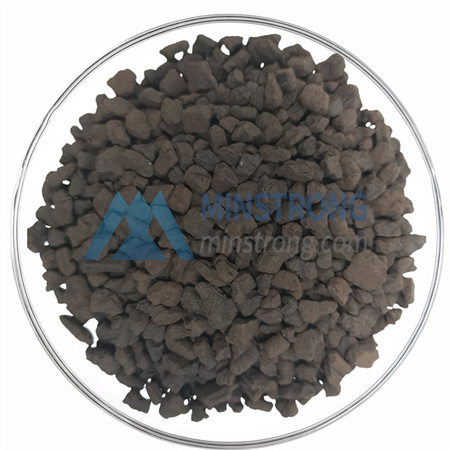
Main Factors Affecting the Operating Cost of Carbon Monoxide Removal
The operating cost of a carbon monoxide removal system generally consists of catalyst consumption, energy consumption, maintenance expenses, and potential production losses caused by downtime. Among these factors, catalyst performance and service life have a significant impact on long-term operating costs.
In industrial gas purification processes, carbon monoxide is usually converted into carbon dioxide through catalytic oxidation. This process depends on the interaction between active sites on the catalyst surface and CO molecules. If the catalyst activity is insufficient, higher operating temperatures or larger catalyst volumes may be required to achieve the required removal efficiency, which directly increases energy consumption and equipment costs.
In addition, components such as water vapor, dust, sulfur-containing compounds, and other impurities in the feed gas may affect catalyst activity and accelerate deactivation. Therefore, reducing operating costs requires identifying the key factors affecting system efficiency rather than focusing only on the initial catalyst purchase price.
Selecting the Right Carbon Monoxide Removal Catalyst to Reduce Long-Term Costs
Catalyst selection is one of the most important factors influencing CO removal costs. Different applications have different requirements for catalyst activity temperature, moisture resistance, mechanical strength, and service life.
For industrial gas purification systems, an appropriate carbon monoxide removal catalyst should provide high CO catalytic oxidation activity while maintaining stable performance under actual operating conditions. For example, in low-temperature or ambient-temperature applications, the catalyst should have strong low-temperature activity to reduce additional heating requirements. In continuous operation environments, the catalyst should also have good structural stability to prevent powdering, abrasion, and increased pressure drop.
An improper catalyst selection may appear to reduce initial purchasing costs, but it can lead to reduced removal efficiency, increased operating temperature, and frequent catalyst replacement. These issues eventually increase overall operating expenses. Therefore, CO catalyst selection should consider gas concentration, flow rate, humidity, impurity composition, and expected service life rather than only comparing the unit purchase price.
Optimizing Operating Conditions to Improve CO Catalytic Oxidation Efficiency
Besides catalyst selection, optimizing operating conditions is another effective way to reduce carbon monoxide removal costs.
First, maintaining a suitable reaction temperature is essential. CO catalytic oxidation requires appropriate activation conditions, but excessively high temperatures increase energy consumption and may negatively affect long-term catalyst stability. Adjusting the operating temperature according to actual process conditions allows the catalyst to work within an efficient operating range and reduces unnecessary energy consumption.
Second, gas velocity and residence time should be properly controlled. If the gas passes through the catalyst bed too quickly, CO may not fully react, resulting in lower removal efficiency. However, excessive residence time can increase equipment size and investment costs. By optimizing catalyst bed height, gas flow velocity, and catalyst loading amount, a balance between purification efficiency and economic operation can be achieved.
In addition, maintaining stable gas composition is important. Large fluctuations in CO concentration or gas conditions may cause the catalyst to operate under non-optimal conditions and increase the difficulty of system control.
Reducing Catalyst Deactivation and Extending Service Life
Catalyst deactivation is one of the major reasons for increased carbon monoxide removal costs. Even high-performance catalysts may gradually lose activity during long-term operation due to surface contamination, reduction of active sites, or structural changes.
To extend catalyst service life, effective gas pretreatment measures should be implemented. For example, filtration systems can reduce dust entering the catalyst bed and prevent pore blockage caused by particulate accumulation. For gases containing substances that may affect catalytic performance, appropriate purification steps should be applied to reduce the risk of catalyst poisoning.
Regular monitoring of system operating conditions, including outlet CO concentration, pressure variation, and gas resistance, can help identify catalyst performance degradation at an early stage. This allows timely maintenance actions and avoids unexpected shutdown costs caused by sudden catalyst failure.
Reducing Overall Operating Expenses Through System Design Optimization
The cost of carbon monoxide removal depends not only on catalyst performance but also on overall system design.
A properly designed purification system can reduce gas resistance and minimize energy consumption from fans or compressors. For example, optimizing catalyst particle size, catalyst bed structure, and gas distribution can lower pressure drop and improve overall system efficiency.
Furthermore, future operating requirements should be considered during the design stage, including variations in gas flow, fluctuations in contaminants, and maintenance accessibility. A stable and efficient CO removal system should integrate catalyst performance, energy consumption, and maintenance convenience from the beginning of the engineering design process.
Scientific Maintenance Management for Long-Term Cost Control
During long-term operation, effective maintenance management plays an important role in controlling the overall cost of a carbon monoxide removal system.
By recording and analyzing operating data, users can evaluate catalyst activity trends and determine the appropriate replacement time based on actual performance rather than relying on fixed replacement schedules. This approach avoids unnecessary catalyst replacement while preventing performance degradation from affecting production processes.
During catalyst replacement, it is also important to analyze the causes of deactivation, such as excessive humidity, impurity contamination, or unsuitable operating conditions. Only by addressing the root causes of catalyst performance decline can future operating costs be effectively reduced.
Conclusion
Reducing the operating cost of carbon monoxide removal systems requires comprehensive improvements in catalyst selection, process optimization, equipment design, and maintenance management. Efficient CO catalytic oxidation does not depend on a single factor but on the combination of suitable catalyst performance and scientific operation strategies.
For industrial users, improving catalyst utilization efficiency, extending catalyst service life, and reducing system energy consumption can help achieve stable CO removal performance while maintaining more economical and reliable long-term operation.
author:kaka
date:2026/7/9


 minstrong