What are the catalysts used for hydrogen peroxide?
Hydrogen peroxide catalysts are a class of chemical substances that can accelerate the decomposition reaction of hydrogen peroxide. They are commonly used in industrial and laboratory environments to achieve efficient decomposition and safe treatment of hydrogen peroxide. Based on the reaction mechanism and application requirements, common catalysts include metal oxides, transition metal salts, and bioenzyme catalysts.
 1. Definition of Hydrogen Peroxide Catalysts
A hydrogen peroxide catalyst is a substance that can accelerate the decomposition reaction of hydrogen peroxide (2H₂O₂ → 2H₂O + O₂). The catalyst itself is not consumed in the reaction; its role is to lower the activation energy and increase the reaction rate. The choice of catalyst directly affects decomposition efficiency, safety, and the economics of application.
2. Why is it necessary to decompose hydrogen peroxide?
Hydrogen peroxide is a strong oxidizing agent, posing risks of explosion and corrosion during storage and transportation. In industrial production, pharmaceuticals, and water treatment, catalysts are needed to decompose hydrogen peroxide into water and oxygen to control the reaction environment and reduce hazards, thus achieving safe management.
1. Definition of Hydrogen Peroxide Catalysts
A hydrogen peroxide catalyst is a substance that can accelerate the decomposition reaction of hydrogen peroxide (2H₂O₂ → 2H₂O + O₂). The catalyst itself is not consumed in the reaction; its role is to lower the activation energy and increase the reaction rate. The choice of catalyst directly affects decomposition efficiency, safety, and the economics of application.
2. Why is it necessary to decompose hydrogen peroxide?
Hydrogen peroxide is a strong oxidizing agent, posing risks of explosion and corrosion during storage and transportation. In industrial production, pharmaceuticals, and water treatment, catalysts are needed to decompose hydrogen peroxide into water and oxygen to control the reaction environment and reduce hazards, thus achieving safe management.
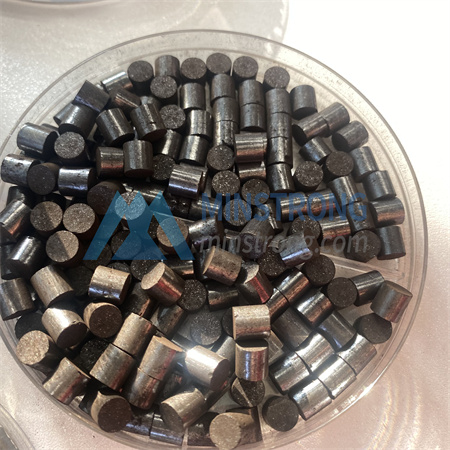
3. Common Catalyst Types
Metal oxide catalysts: such as manganese oxides and iron oxides, possess high stability and corrosion resistance, suitable for treating high concentrations of hydrogen peroxide.
Transition metal salt catalysts: such as silver salts and copper salts, can significantly improve the decomposition rate and are commonly used in industrial processes and rapid laboratory decomposition.
Bioenzyme catalysts: such as catalase, efficiently decompose hydrogen peroxide under mild conditions, mainly used in biological and medical fields.
4. Industrial Applications
Hydrogen peroxide catalysts are widely used in water treatment, pharmaceutical cleaning, bleaching processes, and chemical synthesis. In water treatment systems, catalysts can rapidly decompose excess residual hydrogen peroxide, ensuring the safety of the effluent. In the pharmaceutical and food industries, the water and oxygen produced after catalysts decompose hydrogen peroxide are non-toxic and cause no secondary pollution.
5. Key Factors in Catalyst Selection
When selecting a catalyst, reaction rate, temperature adaptability, corrosion resistance, and service life must be considered. Furthermore, the physical morphology of the catalyst (particles, powder, or coating) also affects decomposition efficiency and ease of operation. Appropriate catalyst selection can optimize hydrogen peroxide treatment and ensure industrial process safety.
author:kaka
date:2026/5/19


 minstrong