Formation Mechanisms of Ozone in Laser Processing System ESP Tail Gas and Catalytic Decomposition Solutions
In laser processing systems, the ozone
present in the tail gas primarily originates from high-energy ionization
processes and tends to accumulate locally within the exhaust stream exiting the
ESP. Given ozone's potent oxidizing properties and environmental hazards,
relying solely on dilution or adsorption methods proves insufficient for
achieving stable, long-term control. Consequently, the utilization of ozone
decomposition catalysts—which convert ozone into oxygen under ambient
temperature conditions—currently stands as the most reliable and technically
feasible solution available.
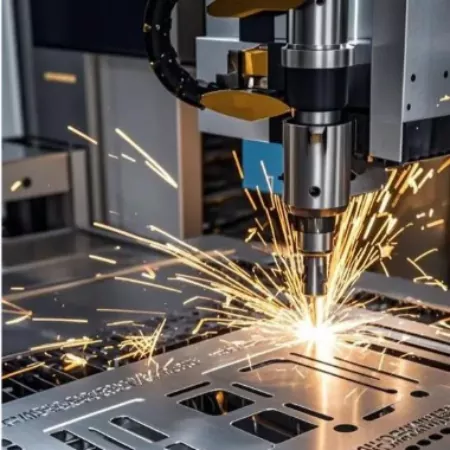
I. Mechanisms of Ozone Generation in Laser
Processing Systems
During the laser processing operation, the
interaction between the high-energy laser beam and the surrounding air triggers
the ionization and dissociation of oxygen molecules (O₂), resulting in the
formation of oxygen atoms (O). These highly reactive oxygen atoms rapidly bond
with oxygen molecules to generate ozone (O₃).
Furthermore, the high-voltage power
supplies and localized discharge phenomena (akin to corona discharge) present
within the system serve to further accelerate ozone generation. This inherent
generation mechanism dictates that ozone is continuously produced and is,
therefore, extremely difficult to completely eliminate at the source.
II. Characteristics of Ozone Accumulation
in ESP Tail Gas
Electrostatic Precipitators (ESPs) are
primarily designed for the capture of particulate matter; however, their
fundamental operating principle—which relies on high-voltage electric
fields—can itself inadvertently promote ozone generation. Moreover, ESPs
possess no inherent capacity to remove ozone, a deficiency that leads to the
accumulation of ozone within the gas stream exiting the device.
The typical characteristics of this tail
gas stream include:
-
Significant fluctuations in ozone
concentration (varying in accordance with operational conditions).
-
Generally low temperatures (typically at
ambient temperature or slightly elevated).
-
Low particulate matter content, though
trace amounts of organic compounds may be present.
These specific characteristics impose
distinct requirements upon the subsequent gas treatment technologies employed
for purification.
III. Environmental and Equipment Hazards Posed by Ozone
As a potent oxidizing agent, ozone exerts
multifaceted impacts on both the environment and equipment:
-
Impact on Human Health: It irritates the
respiratory tract, and prolonged exposure may trigger various health risks.
-
Impact on Equipment: It accelerates the
aging and degradation of rubber components and seals.
-
Impact on the Production Environment:It
leads to complaints regarding foul odors and compromises air quality within the
workshop.
Consequently, controlling ozone
concentrations at the exhaust point is a critical component of industrial
regulatory compliance and safe operational management.
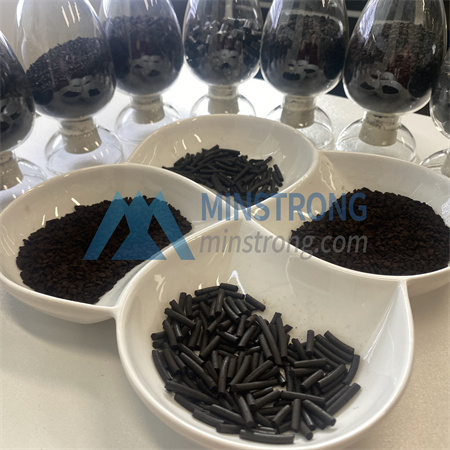
IV. Mechanism of Ozone Decomposition
Catalysts
Ozone decomposition catalysts typically
utilize transition metal oxides as their active components. Their core
mechanism involves facilitating the breakdown of ozone through active sites
located on the catalyst surface:
-
Ozone molecules adsorb onto the catalyst
surface.
-
They decompose to generate molecular oxygen
(O₂) and reactive oxygen species.
-
The reactive oxygen species subsequently
convert into stable molecular oxygen.
This process requires no external energy
input and proceeds continuously at ambient temperatures, representing a
quintessential example of a surface-catalyzed reaction.
V. Advantages in ESP Exhaust Gas
Applications
Specifically tailored for exhaust gas
conditions associated with laser processing systems equipped with Electrostatic
Precipitators (ESPs), ozone decomposition catalysts offer the following
advantages in terms of suitability:
-
High-Efficiency Decomposition at Ambient
Temperatures:Highly effective even in low-temperature exhaust environments.
-
No Secondary Pollution: The sole reaction
product is oxygen; no harmful byproducts are generated.
-
Structural Versatility: Can be configured
as either a fixed-bed reactor or a modular packing system.
-
High Operational Stability: Well-suited for
continuous-operation industrial environments.
Compared to activated carbon adsorption,
catalytic decomposition avoids the issue of saturation-induced failure, making
it a more suitable solution for long-term operational systems.
VI. Key Considerations for Engineering
Design and Catalyst Selection
In practical applications, the design of a
catalytic system requires careful attention to the following critical factors:
1. Space Velocity and Contact Time:
It is essential to ensure adequate contact
between the ozone and the catalyst; this is typically achieved by controlling
the gas flow rate and the depth of the catalyst bed.
2. Impact of Humidity:
Moderate humidity levels can facilitate the
reaction, whereas excessively high humidity may negatively affect the activity
of the catalyst's active sites.
3. Upstream Pre-treatment:
If the exhaust gas contains particulate
matter or oil mist, it is recommended to install a pre-filtration system to
prevent the catalyst from becoming clogged.
4. Catalyst Lifespan and Replacement Cycle:
The lifespan and replacement schedule
should be evaluated based on ozone concentration levels and cumulative
operating time to ensure the long-term stability and reliability of the system.
The generation of ozone is an unavoidable
byproduct of laser processing systems; furthermore, standard ESP equipment is
incapable of removing ozone, thereby designating it as a primary target for
abatement at the exhaust stage. By rationally designing the ozone decomposition
catalyst system, efficient, stable, and pollution-free treatment can be
achieved under ambient temperature conditions; this represents a relatively
mature technical approach in current engineering practice.
author:kaka
date:2026/5/9


 minstrong