Why Must Ozone Decomposition Catalysts Be Replaced Regularly?
In the fields of industrial waste gas treatment, air purification, and ozone disinfection, ozone decomposition catalysts are the core materials for ensuring that ozone emissions meet standards. Many users believe that catalysts can be "used once and for all," but in fact, regular replacement is a necessary requirement for maintaining system performance. The following explains the reasons from five key dimensions:
1. Catalytic activity decay, leading to a continuous decline in removal efficiency
Catalysts rely on active components (such as oxides of manganese, copper, and cobalt) to promote ozone decomposition. After prolonged operation, surface active sites become covered by reaction byproducts or environmental impurities, causing ozone removal efficiency to gradually decrease from over 99% to 80% or even lower. Without replacement, downstream equipment or the working environment will face the risk of ozone exceeding standards.
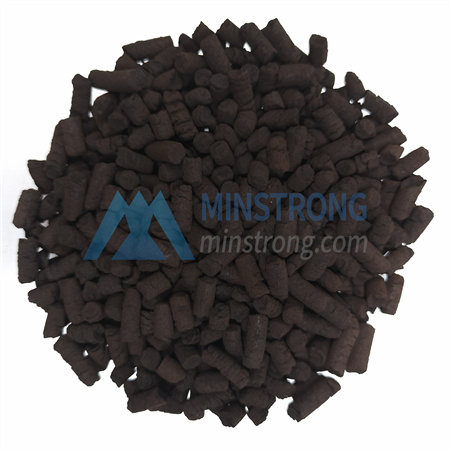
2. Catalyst poisoning and physical blockage lead to a precipitous drop in performance.
Exhaust gases often contain toxins such as organosilicones, sulfides, and phosphides, which can react irreversibly with active components, causing catalyst poisoning. Simultaneously, particulate matter such as dust and oil mist can clog catalyst micropores, increasing air resistance and causing a surge in system energy consumption. Even regeneration treatment is insufficient to restore performance at this point, necessitating catalyst replacement.
3. Increased risk of ozone leakage, endangering personnel and equipment safety.
Ineffective catalysts cannot completely decompose ozone, and unreacted ozone may escape into the work area or atmosphere. High concentrations of ozone can irritate the respiratory tract, damage precision equipment (such as instruments in electronics factories), and even trigger environmental complaints. Regular replacement is the last line of defense against ozone leakage.
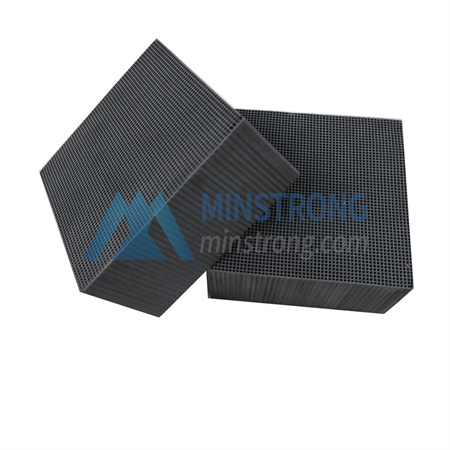 4. Hidden Increase in Operating Costs, Outweighing the Benefits
Aging catalysts lead to increased power consumption of the blower, accelerated corrosion of downstream equipment, and increased maintenance frequency. Data shows that catalysts used beyond their expiration date can increase the overall operating cost of the system by more than 30%. While seemingly saving on replacement costs, the actual cost is much higher.
5. Increased Environmental Compliance Pressure and Risk of Penalties
National and local governments have strict limits on industrial ozone emission concentrations (such as the "Integrated Emission Standard for Air Pollutants"). If catalyst failure leads to excessive emissions, companies will face hefty fines, production shutdowns for rectification, and even credit score deductions. Regular replacement is the most economical way to ensure long-term compliance.
4. Hidden Increase in Operating Costs, Outweighing the Benefits
Aging catalysts lead to increased power consumption of the blower, accelerated corrosion of downstream equipment, and increased maintenance frequency. Data shows that catalysts used beyond their expiration date can increase the overall operating cost of the system by more than 30%. While seemingly saving on replacement costs, the actual cost is much higher.
5. Increased Environmental Compliance Pressure and Risk of Penalties
National and local governments have strict limits on industrial ozone emission concentrations (such as the "Integrated Emission Standard for Air Pollutants"). If catalyst failure leads to excessive emissions, companies will face hefty fines, production shutdowns for rectification, and even credit score deductions. Regular replacement is the most economical way to ensure long-term compliance.
The replacement cycle for ozone decomposition catalysts is typically 1-3 years, depending on operating conditions. Proactively planning replacements is crucial to ensuring efficient, safe, and economical system operation. Contact our technical team now for a customized catalyst replacement solution to eliminate ozone hazards.
AUTHOR:KAKA
DATE:2026/4/9


 minstrong