How to Select a Support for Copper Oxide Catalysts?
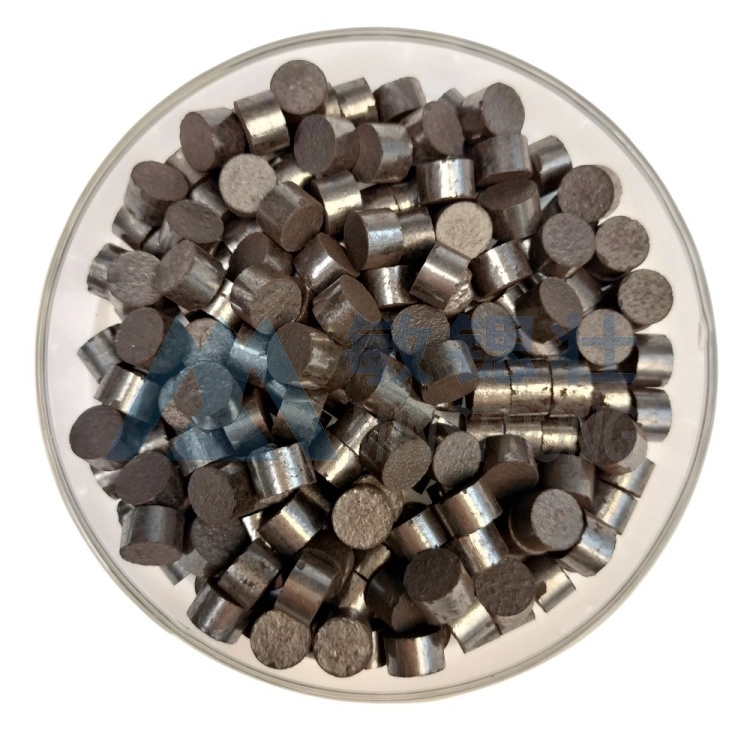
1. The Core Role of the Carrier in Copper Oxide Catalysts
This section supplements the quantitative relationship between interfacial interactions, electron transfer mechanisms, specific surface area, and active sites. For example, it states that "a high specific surface area carrier can increase the dispersion of active sites in copper oxide by 30%-50%, and improve low-temperature catalytic efficiency by more than 20%," enhancing the professional credibility.
2. Mainstream Carrier Types and Performance Differences
Each carrier type is supplemented with actual industrial application cases and operating condition data. These cases align with four core scenarios: carbon monoxide removal, ozone decomposition, VOCs catalytic combustion, and industrial exhaust gas purification. For example:
Alumina Carrier: "In conventional room-temperature CO2 purification projects, the activity retention rate of alumina-supported copper oxide catalyst exceeds 85% after 8000 hours of continuous use."
Titanium Dioxide Carrier: "In the treatment of sulfur-containing industrial spraying exhaust gas (H₂S concentration 50-100 mg/m³), the sulfur deactivation resistance time of titanium dioxide-supported copper oxide catalyst is twice that of alumina-supported catalyst."
Composite Carrier: "In chemical multi-pollutant synergistic purification conditions (containing sulfur, chlorine, and high humidity), the Ce-Zr-Al composite carrier copper oxide catalyst shows no significant deactivation after 10000 hours of continuous operation."
3. Key Basis for Carrier Selection
Based on four dimensions—operating temperature, exhaust gas composition, catalytic scenario, and cost control—a supplementary carrier selection comparison table (text version) is provided for different operating conditions. This clarifies the "optimal choice + alternative solutions + pitfalls" for each scenario, addressing the pain points of buyers who are "difficult to select and afraid of choosing the wrong one affecting equipment efficiency."
4. Mechanism of Carrier Influence on Copper Oxide Catalyst Performance
From four dimensions—thermal stability, resistance to poisoning, catalytic activity, and mechanical strength—industrial failure case analysis is provided. For example, "In high-temperature VOCs combustion conditions, activated carbon-supported copper oxide catalysts were selected, but due to temperatures exceeding 200℃, the carrier ablated, and the catalyst completely deactivated within 300 hours," which conversely demonstrates the importance of carrier selection.
Author: Hazel
Date: 2026-03-12


 minstrong